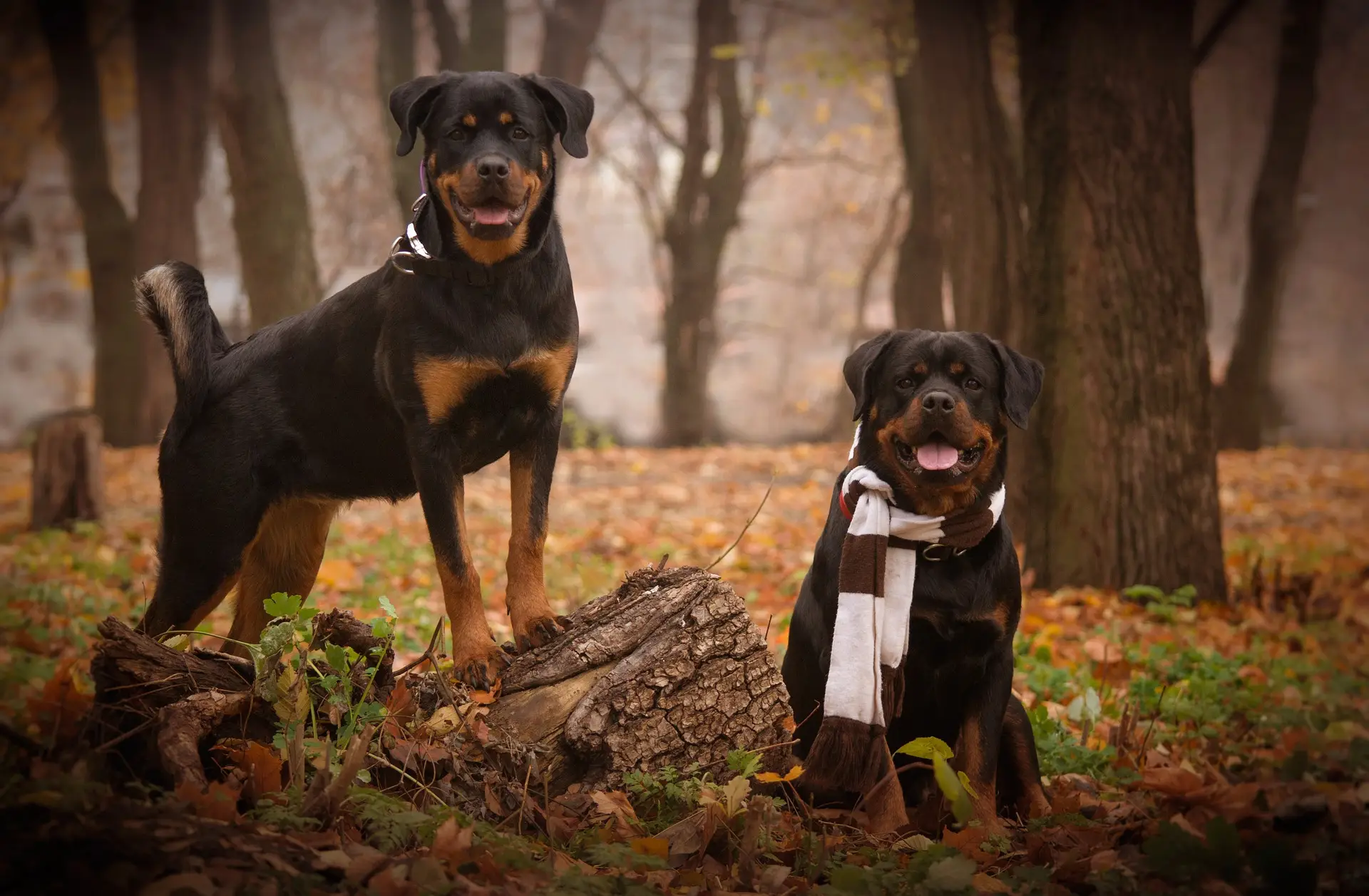
Rottweiler Sound - Powerful Barks & Guard Dog Vocalizations Sound
Experience the distinctive rottweiler sound, from deep protective barks to warning growls. These powerful rottweiler sounds showcase the vocal authority of one of the world's most respected guard dog breeds.
Characteristics of Rottweiler Sound - Powerful Barks & Guard Dog Vocalizations
Habitat
Domestic environments worldwide, originally from Rottweil, Germany
Diet
Omnivore - high-quality dog food with protein, vegetables, and grains
Lifespan
8-10 years on average, up to 12 years with excellent care
Weight
35-60 kg (females), 50-60 kg (males)
Length
56-63 cm height at shoulder (females), 61-69 cm (males)
Region
Worldwide as domestic dogs, originated in Germany
Rottweiler Sound Characteristics
The rottweiler sound is among the most distinctive and commanding vocalizations in the canine world. From the deep, authoritative rottweiler sound of a protective bark to the low rumbling rottweiler sound of a warning growl, these powerful working dogs use various rottweiler sounds to communicate their intentions and maintain their guardian role. Each rottweiler sound serves a specific purpose in their sophisticated communication system, making the rottweiler sound repertoire one of the most respected among guard dog breeds.
Protective Bark
The most recognizable rottweiler sound is the deep, powerful protective bark used to alert owners and deter intruders. This commanding rottweiler sound is characterized by its low frequency and high volume, designed to intimidate potential threats. The protective rottweiler sound can vary in intensity from a single warning bark to a series of rapid, forceful barks. This authoritative rottweiler sound is instinctive and becomes more refined with proper training, making it one of the most effective deterrent sounds in the canine world.
100-400 Hz
85-100 decibels
0.5-2 seconds per bark
When detecting strangers, protecting territory, or alerting to potential threats
Warning Growl
The warning rottweiler sound is a low, rumbling growl that serves as a clear threat display before escalating to barking or defensive action. This menacing rottweiler sound originates deep in the chest and can be felt as much as heard. The warning growl rottweiler sound is often accompanied by body language such as raised hackles and direct eye contact. This intimidating rottweiler sound is highly effective at establishing boundaries and is a key component of the breed's guardian instincts.
80-250 Hz
70-90 decibels
1-5 seconds
During confrontations, when feeling threatened, or establishing dominance
Alert Bark
The alert rottweiler sound is a sharp, attention-grabbing bark used to notify owners of something unusual or interesting. This rottweiler sound is higher in pitch than the protective bark and often consists of one or two quick barks. The alert rottweiler sound demonstrates the breed's excellent watchdog abilities and their desire to communicate with their family. This informative rottweiler sound helps owners distinguish between serious threats and general notifications.
200-600 Hz
75-95 decibels
0.3-1 second per bark
When noticing unusual activity, hearing unfamiliar sounds, or seeking attention
Play Bark
The playful rottweiler sound is a lighter, more excited bark produced during play sessions and social interactions. This happy rottweiler sound is noticeably different from protective vocalizations, with a higher pitch and more rhythmic pattern. The play bark rottweiler sound often comes in short bursts and may be accompanied by play bows and tail wagging. This joyful rottweiler sound showcases the breed's affectionate and playful nature with trusted family members.
300-800 Hz
70-85 decibels
0.2-0.8 seconds per bark
During play sessions, greeting family members, or expressing excitement
Demand Bark
The demanding rottweiler sound is a persistent, attention-seeking bark used when the dog wants something specific like food, water, or outdoor access. This insistent rottweiler sound is typically repetitive and may increase in volume if ignored. The demand bark rottweiler sound is an important communication tool that helps the dog express its needs to owners. Understanding this rottweiler sound helps maintain a healthy relationship between dog and owner.
250-700 Hz
75-90 decibels
0.5-1.5 seconds, often repeated
When hungry, needing to go outside, or wanting attention or play
Whine
The whining rottweiler sound is a high-pitched, plaintive vocalization expressing discomfort, anxiety, or desire. This softer rottweiler sound is quite different from the breed's typical deep vocalizations and indicates a more vulnerable emotional state. The whining rottweiler sound may be heard when the dog is separated from family, feeling unwell, or experiencing stress. This gentle rottweiler sound demonstrates the breed's emotional sensitivity despite their tough exterior.
500-1200 Hz
60-75 decibels
0.5-3 seconds
When anxious, seeking comfort, experiencing separation, or feeling unwell
Howl
The howling rottweiler sound is a prolonged, wolf-like vocalization that some rottweilers produce in response to sirens, music, or other howling dogs. This ancestral rottweiler sound connects the breed to its wild canine heritage and serves as a form of long-distance communication. The howling rottweiler sound is less common than barking but demonstrates the breed's retained instinctive behaviors. This melodic rottweiler sound can be quite impressive given the breed's deep vocal range.
150-600 Hz
80-95 decibels
3-10 seconds
In response to sirens, other howling dogs, or as a form of communication
Grumble
The grumbling rottweiler sound is a soft, conversational vocalization used during close interactions with family members. This endearing rottweiler sound is often described as "talking" and shows the breed's desire to communicate with their humans. The grumbling rottweiler sound is typically accompanied by relaxed body language and is a sign of contentment and bonding. This intimate rottweiler sound reveals the gentle, affectionate side of the breed that owners cherish.
100-400 Hz
50-70 decibels
1-4 seconds
During petting, cuddling, greeting family, or expressing contentment
Interesting Rottweiler Sound - Powerful Barks & Guard Dog Vocalizations Sound Facts
The rottweiler sound is so distinctive that experienced dog trainers can identify the breed by bark alone
Studies show the deep rottweiler sound is more effective as a deterrent than higher-pitched dog barks
Rottweilers can modulate their rottweiler sound volume based on the situation and training
The rottweiler sound develops its characteristic depth as the dog matures, with full vocal development by age 2
Professional guard dog training specifically refines the rottweiler sound to be more controlled and purposeful
Interesting Facts about Rottweiler Sound - Powerful Barks & Guard Dog Vocalizations Sound
The rottweiler sound is characterized by a deep, resonant bark that can reach 100 decibels
Rottweilers produce over 10 different types of rottweiler sounds for various communication purposes
The warning rottweiler sound can be heard up to half a mile away in quiet conditions
Each rottweiler has a unique rottweiler sound signature that owners can recognize
Rottweiler sounds vary in pitch and intensity based on the dog's emotional state and intent
Puppies develop their characteristic deep rottweiler sound as they mature, usually by 6-8 months
The rottweiler sound of a trained guard dog is distinctly different from untrained dogs
Rottweiler sounds serve as effective deterrents, with studies showing their bark alone prevents intrusions
FAQs about Rottweiler Sound - Powerful Barks & Guard Dog Vocalizations Sound
Find answers to all your questions about Rottweiler Sound - Powerful Barks & Guard Dog Vocalizations sounds
Q What does a rottweiler sound like?
A rottweiler sound is characterized by deep, powerful vocalizations that reflect the breed's size and strength. The most common rottweiler sound is a low-frequency bark that can reach 100 decibels, significantly deeper than most other dog breeds. The rottweiler sound repertoire includes protective barks, warning growls, alert barks, play vocalizations, and even gentle grumbles during affectionate moments. Each rottweiler sound serves a specific purpose, from deterring intruders with intimidating barks to communicating needs with softer whines. The distinctive rottweiler sound is one of the breed's most recognizable characteristics and reflects their role as confident guardian dogs.
Q Why is the rottweiler sound so deep and powerful?
The rottweiler sound is deep and powerful due to the breed's physical characteristics and evolutionary purpose. Rottweilers have large, muscular bodies with deep chests that act as resonance chambers, amplifying their vocalizations. The rottweiler sound is produced by larger vocal cords that vibrate at lower frequencies, creating the characteristic deep tone. This powerful rottweiler sound evolved because the breed was developed as a guardian and working dog, where an intimidating vocalization was essential for protecting property and livestock. The commanding rottweiler sound serves as an effective deterrent without requiring physical confrontation. Additionally, the deep rottweiler sound carries well over distances, making it ideal for alerting owners to potential threats.
Q How can I tell what my rottweiler is trying to communicate with different sounds?
Understanding different rottweiler sounds requires observing both the vocalization and accompanying body language. A protective rottweiler sound (deep, forceful barking) combined with alert posture indicates a perceived threat. A warning growl rottweiler sound with raised hackles signals the dog is prepared to defend. An alert bark rottweiler sound with perked ears means something caught their attention but isn't necessarily threatening. A playful rottweiler sound (lighter, excited barking) with a wagging tail and play bow indicates happiness and desire to interact. A demanding rottweiler sound (persistent, repetitive barking) near their food bowl or door communicates specific needs. A whining rottweiler sound with anxious body language suggests discomfort or stress. Learning your individual dog's rottweiler sound patterns helps you respond appropriately to their communication.
Q At what age does a rottweiler develop their characteristic deep sound?
A rottweiler sound develops gradually as the puppy matures. Young rottweiler puppies produce higher-pitched vocalizations similar to other puppies, but you'll notice their rottweiler sound beginning to deepen around 4-6 months of age as they enter adolescence. The characteristic deep rottweiler sound becomes more pronounced between 8-12 months as the dog's chest cavity expands and vocal cords mature. Full development of the adult rottweiler sound typically occurs by 18-24 months when the dog reaches physical maturity. During this development period, the rottweiler sound may crack or vary in pitch as the dog learns to control their changing voice. Proper socialization and training during this time helps shape how the rottweiler uses their developing sound repertoire.
Q Is the rottweiler sound effective as a security deterrent?
Yes, the rottweiler sound is highly effective as a security deterrent. Studies on burglary prevention show that the deep, powerful rottweiler sound alone is enough to deter most intruders, even without seeing the dog. The intimidating rottweiler sound signals the presence of a large, protective dog, which most criminals actively avoid. The low-frequency rottweiler sound carries well through walls and doors, alerting both owners and potential intruders. Security experts often rank the rottweiler sound among the most effective natural alarm systems. The commanding rottweiler sound combined with the breed's reputation creates a psychological barrier that prevents many security incidents before they occur. However, the effectiveness of the rottweiler sound is enhanced when the dog is properly trained to bark on command and cease barking when instructed.
Q Can rottweilers be trained to control their barking sound?
Yes, rottweilers can definitely be trained to control their barking sound, and this training is essential for responsible ownership. Despite their powerful rottweiler sound, these intelligent dogs respond well to bark control training. Teaching 'speak' and 'quiet' commands helps the dog understand when their rottweiler sound is appropriate and when silence is required. The rottweiler sound can be refined so the dog barks to alert but stops on command, making them excellent guard dogs without being nuisance barkers. Proper training doesn't eliminate the protective rottweiler sound but channels it appropriately. Early socialization helps rottweilers distinguish between normal situations and genuine threats, reducing unnecessary rottweiler sound production. Consistent training ensures the powerful rottweiler sound is used purposefully rather than reactively.
Q Do male and female rottweilers have different sounds?
Yes, there are subtle differences between male and female rottweiler sounds, though both sexes produce the characteristic deep vocalizations. Male rottweilers typically have a slightly deeper, more resonant rottweiler sound due to their larger size and deeper chest cavity. The male rottweiler sound often has more bass frequencies and may be slightly louder on average. Female rottweilers produce a rottweiler sound that is still deep and powerful but may have a slightly higher pitch compared to males. However, individual variation in rottweiler sound is often greater than sex-based differences. Both male and female rottweilers use their sound effectively for protection and communication. The protective rottweiler sound from either sex is equally effective as a deterrent. Size and individual personality often influence the rottweiler sound more than sex alone.
Q How does the rottweiler sound compare to other guard dog breeds?
The rottweiler sound is distinctive even among other guard dog breeds. Compared to German Shepherds, the rottweiler sound is deeper and more resonant, while German Shepherds have a sharper, higher-pitched bark. The rottweiler sound is similar in depth to a Mastiff but typically more forceful and alert. Doberman Pinschers produce a rottweiler-like sound but often at a slightly higher frequency. The rottweiler sound carries more bass than a Belgian Malinois bark. Among guard dogs, the rottweiler sound is considered one of the most intimidating due to its combination of depth, power, and the breed's reputation. The rottweiler sound is less prone to excessive barking than some guard breeds, making it more impactful when used. Each guard breed has evolved their sound for their specific working purpose, but the rottweiler sound is uniquely suited for close-quarters protection and deterrence.
Most Downloaded mammals Animal Sounds
Discover our most popular mammals animal sounds