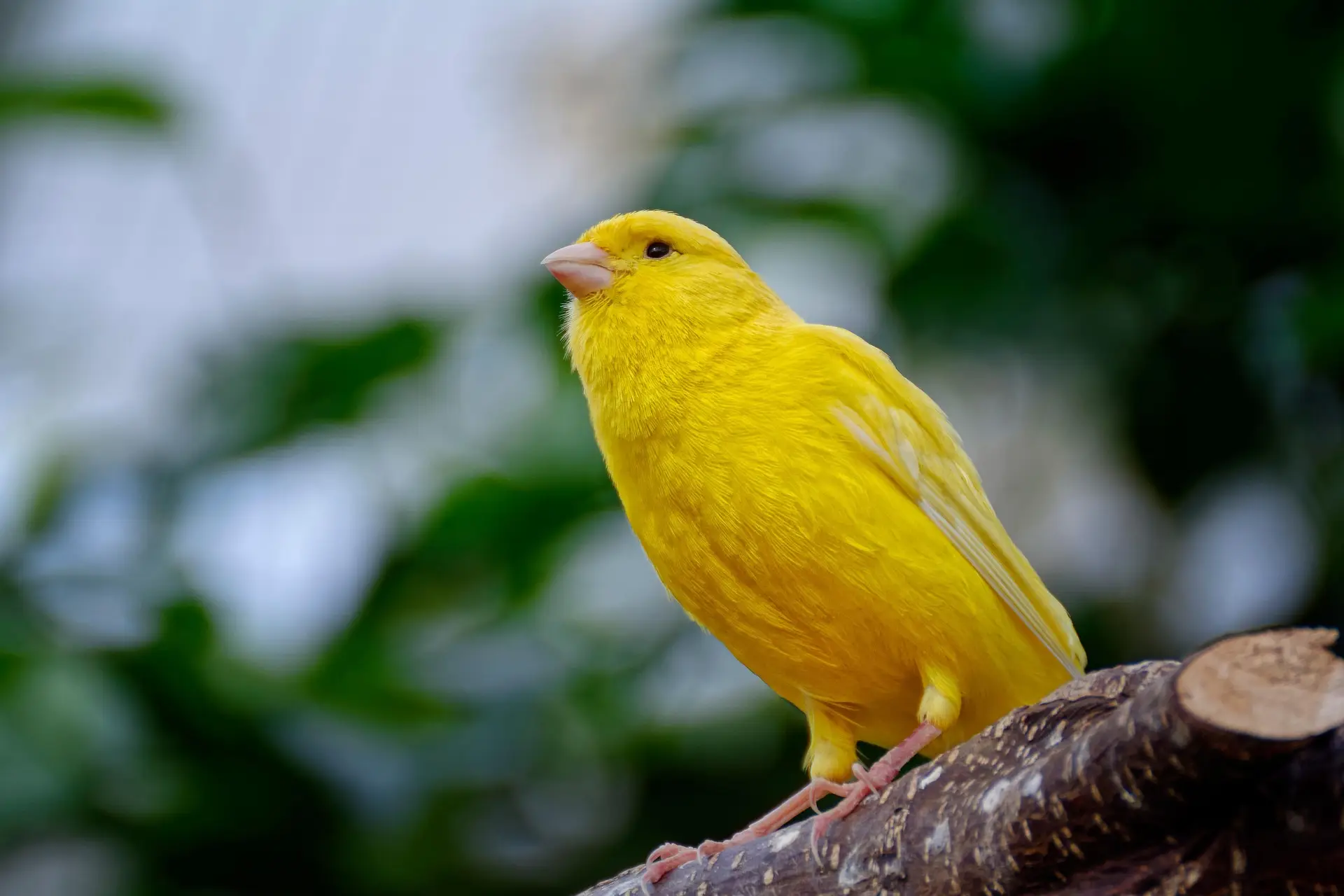
Characteristics of Canary Sound - Beautiful Songs & Melodious Bird Calls
Habitat
Originally from Canary Islands, Azores, and Madeira; now domesticated worldwide
Diet
Granivore - seeds, with some fruits and vegetables
Lifespan
10-15 years in captivity with proper care
Weight
15-20 grams
Length
12-13 cm body length, 20-23 cm wingspan
Region
Native to Macaronesian islands; domesticated populations worldwide
Canary Sound Characteristics
The canary sound is renowned worldwide for its beauty, complexity, and melodious quality. From the elaborate singing canary sound of males during breeding season to the gentle chirping canary sound of daily communication, these small birds produce remarkably sophisticated vocalizations. Each canary sound demonstrates the bird's vocal control and musical ability, with phrases that flow seamlessly together in continuous songs. The canary sound has captivated humans for centuries, making these birds one of the most popular pet songbirds. Understanding canary sounds reveals the intricate relationship between learning, practice, and vocal performance in songbirds.
Full Song
The full song is the most elaborate and beautiful canary sound, produced primarily by adult males. This complex canary sound consists of multiple phrases, trills, and notes woven together in continuous performances that can last 20-30 seconds or longer. The singing canary sound includes various elements: rolls (rapid repeated notes), tours (sustained notes), and flourishes (decorative phrases). Each male canary develops a unique full song canary sound through learning and practice, incorporating phrases heard from tutors and adding individual variations. The full song canary sound is most frequent during breeding season when males are advertising for mates, but captive canaries may sing year-round. This elaborate canary sound demonstrates the bird's vocal prowess and is the primary reason canaries are prized as singing pets.
1000-8000 Hz
70-85 decibels
20-30 seconds per song bout
Primarily during breeding season, early morning, and when males are establishing territory or courting
Contact Call
The contact call is a simple, short canary sound used for maintaining communication with flock members or human companions. This basic canary sound consists of single or double chirps that sound like "chip" or "chip-chip." The contact call canary sound helps birds keep track of each other's locations and maintain social bonds. In captivity, canaries use this canary sound to communicate with their owners, often calling when they hear familiar voices or footsteps. The contact call canary sound is much simpler than the full song but serves important social functions. This canary sound is produced by both males and females throughout the day during normal activities.
2000-5000 Hz
60-70 decibels
0.1-0.3 seconds
Throughout the day for maintaining contact with flock members or human companions
Alarm Call
The alarm call is a sharp, urgent canary sound produced when birds detect potential threats or disturbances. This warning canary sound is typically a rapid series of high-pitched chips or a continuous, agitated calling that alerts other birds to danger. The alarm call canary sound differs significantly from the melodious song, being harsher and more insistent. This canary sound triggers vigilance responses in other canaries and may cause them to seek cover or become silent. The intensity of the alarm call canary sound varies based on the perceived threat level. This protective canary sound demonstrates the birds' awareness of their environment and social responsibility to warn flock members.
3000-7000 Hz
75-85 decibels
0.2-0.5 seconds, rapidly repeated
When detecting predators, sudden movements, unfamiliar objects, or other perceived threats
Subsong
Subsong is a quiet, rambling canary sound produced by young males learning to sing and by adult males practicing new phrases. This developmental canary sound is much softer and less structured than the full song, resembling vocal experimentation and practice. The subsong canary sound includes fragments of learned phrases mixed with improvised notes and sounds. Young canaries produce subsong canary sounds for months as they develop their adult repertoire, gradually refining and organizing the elements into coherent songs. Adult males may also produce subsong canary sounds when learning new phrases or during non-breeding periods. This practice canary sound reveals the learning process behind the beautiful adult songs.
1000-6000 Hz
50-65 decibels
10-60 seconds of continuous, rambling vocalization
During song learning in young males, practice sessions, and quiet periods when adults are refining their repertoire
Begging Call
The begging call is a distinctive canary sound produced by young birds requesting food from parents. This insistent canary sound consists of rapid, high-pitched chirps that increase in intensity when parents approach with food. The begging call canary sound triggers feeding responses in parent birds and communicates the chick's hunger level. As young canaries mature, the begging call canary sound gradually transitions into adult vocalizations. Even after fledging, young birds may produce modified begging canary sounds when soliciting food from parents. This developmental canary sound is crucial for chick survival and parent-offspring communication.
3000-6000 Hz
70-80 decibels
0.2-0.4 seconds, continuously repeated
By nestlings and fledglings when hungry or when parents approach with food
Excitement Trill
The excitement trill is a rapid, vibrating canary sound produced when birds are stimulated or anticipating something positive. This enthusiastic canary sound often occurs when canaries see their favorite foods, when owners approach at feeding time, or during social interactions with other birds. The excitement trill canary sound is faster and more energetic than normal contact calls, conveying the bird's positive emotional state. This canary sound may be interspersed with wing fluttering and hopping behaviors. The excitement trill canary sound demonstrates the birds' capacity to express anticipation and joy through vocalizations.
2000-6000 Hz
65-75 decibels
0.5-2 seconds
When anticipating food, during positive social interactions, or when excited by environmental stimuli
Aggressive Call
The aggressive call is a harsh, scolding canary sound produced during territorial disputes or confrontations with other birds. This confrontational canary sound is quite different from melodious songs, consisting of sharp, repeated notes that sound angry or threatening. The aggressive call canary sound is often accompanied by threat displays including raised feathers, open beak, and aggressive posturing. Male canaries use this canary sound to defend territory or food resources from rivals. The aggressive call canary sound helps establish dominance hierarchies and resolve conflicts without physical fighting. This canary sound reveals the competitive side of these otherwise melodious birds.
2000-5000 Hz
70-85 decibels
0.3-0.6 seconds, repeated
During territorial disputes, competition for resources, or confrontations with other birds
Contentment Chirp
The contentment chirp is a soft, gentle canary sound produced when birds are relaxed and comfortable. This peaceful canary sound consists of quiet, melodious chirps and soft warbling that indicates the bird is in a positive emotional state. The contentment chirp canary sound is often heard when canaries are preening, resting after feeding, or settling for sleep. This soothing canary sound is much quieter than full songs or alarm calls and creates a calm atmosphere. Pet canaries often produce contentment chirp canary sounds when they feel safe and comfortable with their environment and caregivers. This gentle canary sound demonstrates the birds' capacity to express well-being through subtle vocalizations.
1500-4000 Hz
45-60 decibels
0.3-1 second, intermittent
While preening, resting comfortably, settling for sleep, or in peaceful, secure environments
Flight Call
The flight call is a specific canary sound produced during takeoff, landing, or while flying. This movement-associated canary sound helps coordinate flock movements and maintain contact during flight. The flight call canary sound is typically a short, sharp chirp that can be heard even when birds are moving quickly. In captivity, canaries produce flight canary sounds when moving between perches or during exercise flights. This canary sound serves both as a contact call and as a signal of the bird's intentions to move. The flight call canary sound demonstrates how these birds integrate vocalizations with physical activities.
2500-5500 Hz
65-75 decibels
0.1-0.2 seconds
During takeoff, landing, flight, or when moving between perches
Interesting Canary Sound - Beautiful Songs & Melodious Bird Calls Sound Facts
The canary sound was so valued historically that Spanish law once prohibited exporting male canaries to protect the singing trade
Some canary sounds can reach frequencies above 8000 Hz, near the upper limit of human hearing
The roller canary breed produces a unique canary sound with beak closed, creating a distinctive rolling quality
Canaries can learn new canary sound phrases throughout their lives, though learning is easiest when young
The canary sound quality improves with practice—males that sing more develop more complex and beautiful songs
Interesting Facts about Canary Sound - Beautiful Songs & Melodious Bird Calls Sound
Male canaries produce the most elaborate canary sounds, with songs lasting up to 30 seconds
A canary sound repertoire can include over 50 different song phrases and notes
The canary sound is so melodious that these birds were historically used in coal mines as air quality indicators
Young canaries learn their canary sound by listening to adult males during a critical learning period
The canary sound varies significantly between breeds, with some bred specifically for singing ability
Canaries can produce canary sounds at frequencies ranging from 1000 to 10,000 Hz
The quality of a canary sound is influenced by diet, health, and environmental conditions
Male canaries use their canary sound to attract mates and establish territory even in captivity
FAQs about Canary Sound - Beautiful Songs & Melodious Bird Calls Sound
Find answers to all your questions about Canary Sound - Beautiful Songs & Melodious Bird Calls sounds
Q What does a canary sound like?
A canary sound is characterized by beautiful, melodious singing that has made these birds beloved pets for centuries. The most impressive canary sound is the male's full song—a complex, continuous performance lasting 20-30 seconds that includes trills, rolls, and flourishes woven together seamlessly. This elaborate canary sound can include over 50 different phrases and notes, with frequencies ranging from 1000 to 8000 Hz. Canaries also produce simpler canary sounds including contact chirps for communication, alarm calls when threatened, and contentment sounds when relaxed. The canary sound varies significantly between breeds—roller canaries produce a distinctive rolling sound with closed beaks, while other breeds emphasize different vocal qualities. Young canaries produce subsong, a quiet, rambling canary sound as they learn to sing. The specific canary sound you hear depends on the bird's age, sex, breed, and activity.
Q Why do male canaries sing more than females?
Male canaries produce more elaborate and frequent canary sounds than females due to evolutionary and hormonal factors. The singing canary sound in males is primarily driven by testosterone and serves to attract mates and establish territory—functions that are crucial for male reproductive success. Male canaries develop complex song canary sounds to demonstrate their fitness to potential mates, with better singers often preferred by females. The male canary sound repertoire is learned during a critical period in youth and refined through practice, resulting in the beautiful songs we associate with these birds. Female canaries can produce canary sounds including contact calls, alarm calls, and simple vocalizations, but they rarely develop the elaborate singing canary sounds characteristic of males. The hormonal differences that drive male singing canary sounds are so strong that females given testosterone can develop male-like song abilities. This sex difference in canary sound production reflects the different reproductive strategies of males and females in the wild.
Q How do canaries learn their songs?
Canaries learn their canary sounds through a fascinating process of listening, memorization, and practice. Young male canaries go through a critical learning period when they're most receptive to learning canary sounds from adult males, called tutors. During this phase, young birds memorize the canary sound patterns they hear, storing them as templates in their brains. The learning process for canary sounds involves first producing subsong—quiet, rambling vocalizations that represent practice and experimentation. Gradually, young canaries refine their canary sounds, matching their vocalizations to the memorized templates through trial and error. This practice phase can last several months as the canary sound develops from disorganized subsong into structured adult song. Canaries can continue learning new canary sound phrases throughout life, though learning is easiest when young. The quality of the tutor's canary sound directly influences what the young bird learns—canaries tutored by excellent singers develop superior songs. Isolated canaries develop abnormal canary sounds, demonstrating that social learning is crucial for normal vocal development.
Q Do canaries sing year-round?
Wild canaries primarily produce their elaborate singing canary sounds during breeding season when males are attracting mates and defending territories. However, domestic canaries often sing year-round, though the frequency and quality of canary sounds vary seasonally. The peak canary sound production occurs during spring breeding season when testosterone levels are highest and males are most motivated to sing. During this period, male canaries may produce their full song canary sounds for hours daily, especially in the morning. Outside breeding season, canaries still produce canary sounds but may sing less frequently or produce shorter, less elaborate songs. The canary sound during non-breeding periods often includes more subsong and practice vocalizations. Captive canaries, with stable environments and consistent lighting, may maintain higher canary sound production year-round compared to wild birds. Factors affecting canary sound frequency include day length, temperature, diet, and the presence of other birds. Some male canaries are such enthusiastic singers that they produce beautiful canary sounds throughout the year with only slight seasonal variation.
Q Can canaries recognize individual birds by their songs?
Yes, canaries can recognize individual birds by their unique canary sound signatures, demonstrating sophisticated auditory discrimination abilities. Each male canary develops a distinctive canary sound repertoire through learning and individual variation, creating a vocal fingerprint that other birds can identify. Research shows that canaries can distinguish between the canary sounds of familiar and unfamiliar males, responding differently to known neighbors versus strangers. Female canaries can recognize individual males by their singing canary sounds and may use song quality to assess potential mates. This individual recognition through canary sounds is important for maintaining social relationships and territorial boundaries. Canaries can also recognize their owners' voices and may produce specific canary sounds in response to familiar people. The ability to recognize individual canary sounds demonstrates the cognitive sophistication of these small birds and the importance of vocal communication in their social lives. This recognition ability develops through repeated exposure to specific canary sound patterns and is maintained through memory.
Q What affects the quality of a canary's song?
Multiple factors influence the quality and beauty of a canary sound. Genetics play a crucial role—some breeds are specifically developed for superior singing canary sounds, and individual birds inherit varying vocal abilities. The learning environment is critical: young canaries tutored by excellent singers develop better canary sounds than those learning from poor tutors or in isolation. Diet significantly affects canary sound quality—proper nutrition supports the physical health necessary for sustained singing, with deficiencies potentially reducing canary sound production. Health status directly impacts canary sounds: sick or stressed birds produce fewer or lower-quality vocalizations. Environmental conditions including lighting, temperature, and stress levels affect canary sound frequency and quality. Practice is essential—male canaries that sing more develop more complex and refined canary sounds through repetition and refinement. Age influences canary sounds: young birds produce developing songs, adults reach peak performance, and elderly birds may show declining vocal abilities. Social factors matter too: canaries housed where they can hear other males often produce more elaborate canary sounds through competitive singing.
Q Why do canaries stop singing?
Canaries may stop producing their characteristic canary sounds for various reasons, most commonly related to health, environment, or natural cycles. Molting is a natural period when canaries often reduce or cease singing canary sounds as they conserve energy for feather replacement—this temporary silence is normal and singing resumes after molt completion. Illness or stress can suppress canary sounds: sick birds lack the energy for elaborate vocalizations, and stressed canaries may become quiet. Poor diet can reduce canary sound production by affecting overall health and energy levels. Environmental factors including inadequate lighting, extreme temperatures, or excessive noise can inhibit canary sounds. Female presence affects male singing: some males sing less when housed with females, while others increase canary sound production. Age-related changes can reduce canary sounds in elderly birds. Sudden cessation of canary sounds often indicates health problems requiring veterinary attention. Seasonal variation is normal: even domestic canaries may reduce singing canary sounds during non-breeding periods. Understanding why canary sounds change helps owners provide appropriate care and identify potential health issues.
Q Can you train a canary to sing better?
While you cannot fundamentally change a canary's genetic potential, you can optimize conditions to help develop the best possible canary sound. The most effective training for canary sounds occurs during the critical learning period in young males by providing excellent song tutors—either live adult males with superior songs or high-quality recordings. Young canaries exposed to beautiful canary sounds during this period will incorporate those patterns into their own repertoire. For adult canaries, you can encourage more frequent canary sound production by providing optimal care: proper nutrition, appropriate lighting cycles, comfortable temperature, and a stress-free environment. Some owners play recordings of excellent canary sounds to stimulate their birds, which may encourage more singing though adults won't learn new songs as readily as juveniles. Positive reinforcement when the bird produces canary sounds can increase singing frequency. Ensuring the canary is healthy through proper diet and veterinary care supports the physical ability to produce quality canary sounds. Competition can enhance canary sounds: males that hear other males often sing more elaborately. However, the fundamental quality of a canary sound is limited by genetics and early learning experiences.
Most Downloaded birds Animal Sounds
Discover our most popular birds animal sounds