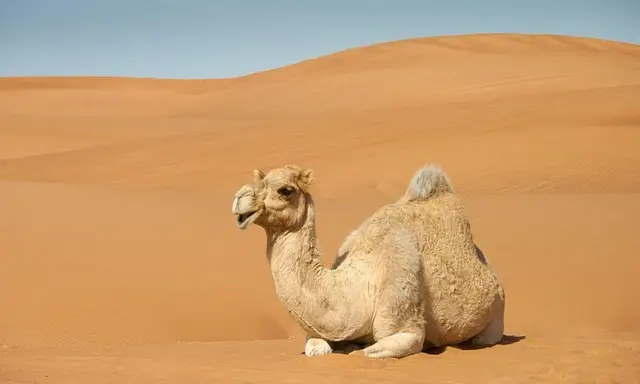
Characteristics of Camel Sound - Distinctive Grunts & Desert Animal Vocalizations
Habitat
Deserts and arid regions of Africa, Middle East, and Central Asia
Diet
Herbivore - thorny plants, dry grasses, saltbush, and desert vegetation
Lifespan
40-50 years in captivity, 30-40 years in the wild
Weight
300-690 kg (dromedary), 300-1000 kg (Bactrian)
Length
2.2-3.4 meters body length, 1.8-2.0 meters shoulder height
Region
North Africa, Middle East, Central Asia, and introduced to Australia
Camel Sound Characteristics
The camel sound is among the most distinctive and varied vocalizations in the desert animal kingdom. From the deep, resonant bellowing camel sound during mating season to the gentle rumbling camel sound of contentment, these remarkable ungulates use various camel sounds to communicate emotions, needs, and warnings. Each camel sound serves a specific purpose in their social structure and survival in harsh desert environments, making the camel sound repertoire essential for understanding their behavior and welfare.
Bellowing Roar
The most powerful camel sound is the bellowing roar produced by males during the rutting season. This impressive camel sound is created when the male inflates a large throat pouch called a dulla, which hangs from the side of the mouth. The bellowing camel sound is deep, resonant, and can carry over a mile across open desert terrain. This dominant camel sound serves to attract females and warn rival males, demonstrating the camel's strength and breeding fitness. The bellowing roar camel sound is one of nature's most unique vocalizations.
80-300 Hz
95-110 decibels
3-8 seconds
During mating season, establishing dominance, or attracting females
Warning Grunt
The warning grunt is a common camel sound used to express displeasure, discomfort, or warning. This guttural camel sound is produced deep in the throat and varies in intensity based on the level of annoyance or threat. The warning grunt camel sound is often heard when camels are being loaded, handled roughly, or approached by unfamiliar animals or people. This defensive camel sound serves as a clear communication that the camel is uncomfortable and may become aggressive if the situation continues. Understanding this camel sound is crucial for safe camel handling.
150-500 Hz
75-90 decibels
0.5-2 seconds
When annoyed, uncomfortable, warning others, or feeling threatened
Maternal Call
The maternal call is a gentle, nurturing camel sound used by mothers to communicate with their calves. This soft camel sound helps maintain the mother-calf bond and is used for reassurance, calling, and guidance. The maternal camel sound has a distinctive tone that calves can recognize from birth, ensuring they respond only to their own mother. This important camel sound is crucial for calf survival in the challenging desert environment where young camels must stay close to their mothers for protection and nourishment.
250-800 Hz
60-75 decibels
1-3 seconds
Calling calves, during nursing, providing reassurance, or maintaining contact
Calf Distress Cry
The calf distress cry is a high-pitched, urgent camel sound produced by young camels when separated from their mother, frightened, or in pain. This plaintive camel sound triggers immediate maternal response and alerts the herd to potential danger. The distress cry camel sound is distinctly different from other calf vocalizations and is designed to elicit rapid protective action. This critical camel sound ensures calf safety during the vulnerable early months of life in harsh desert conditions.
600-1500 Hz
70-85 decibels
1-4 seconds, often repeated
When separated from mother, frightened, in pain, or experiencing distress
Contentment Rumble
The contentment rumble is a soft, purring camel sound produced when the animal is relaxed, comfortable, and satisfied. This gentle camel sound is similar to a cat's purr and indicates the camel is in a positive emotional state. The rumbling camel sound is often heard during rest periods, while being groomed by trusted handlers, or when enjoying favorite foods. This pleasant camel sound is a sign of good welfare and a positive relationship between camel and caretaker.
100-400 Hz
50-65 decibels
2-6 seconds
During rest, being groomed, eating favorite foods, or feeling comfortable
Alarm Bellow
The alarm bellow is a loud, urgent camel sound produced when the animal detects danger or experiences sudden fear. This warning camel sound alerts other camels in the herd to potential threats such as predators or dangerous situations. The alarm bellow camel sound is characterized by its sudden onset and high volume, designed to startle potential predators and mobilize the herd for defensive action or flight. This protective camel sound is essential for herd survival in the wild.
200-700 Hz
85-100 decibels
1-3 seconds
Detecting predators, sudden threats, or experiencing acute fear
Greeting Moan
The greeting moan is a social camel sound used when camels encounter familiar herd members or trusted humans. This friendly camel sound expresses recognition and social bonding, helping maintain herd cohesion and positive relationships. The greeting moan camel sound is softer and more melodic than warning vocalizations, indicating the camel's relaxed and social state. This welcoming camel sound demonstrates the species' capacity for social recognition and emotional connection.
180-600 Hz
55-70 decibels
1-2.5 seconds
Greeting familiar camels or humans, during social bonding, or reuniting with herd
Gurgling Threat
The gurgling threat is a distinctive camel sound produced during aggressive displays, created by manipulating saliva and air in the mouth and throat. This intimidating camel sound is often accompanied by spitting and the display of the inflated dulla in males. The gurgling camel sound serves as a final warning before physical aggression and is highly effective at deterring rivals or threats. This unique camel sound is one of the most recognizable aggressive vocalizations in the animal kingdom.
100-500 Hz
70-85 decibels
2-5 seconds
During aggressive encounters, before spitting, or establishing dominance
Thirst Complaint
The thirst complaint is a specific camel sound produced when the animal is dehydrated and seeking water. This persistent camel sound helps handlers recognize when camels need water, which is crucial for their welfare in desert environments. The thirst complaint camel sound has a distinctive quality that experienced camel handlers can easily identify, allowing them to respond to the animal's needs. This communicative camel sound demonstrates the species' ability to express specific physiological needs to humans.
200-650 Hz
65-80 decibels
1-3 seconds, repeated
When dehydrated, seeking water, or experiencing thirst discomfort
Interesting Camel Sound - Distinctive Grunts & Desert Animal Vocalizations Sound Facts
The camel sound during rutting season is so distinctive that it's called 'blathering' and involves the inflation of a large throat pouch
Experienced camel handlers can identify individual camels by their unique camel sound signatures
The camel sound repertoire is more complex in domesticated camels than wild ones due to human interaction
Baby camels can recognize their mother's specific camel sound within hours of birth
The gurgling camel sound can be accompanied by projectile spitting up to 10 feet away
Interesting Facts about Camel Sound - Distinctive Grunts & Desert Animal Vocalizations Sound
The camel sound repertoire includes over 12 distinct vocalizations for different purposes
A rutting male camel sound can be heard up to a mile away across desert terrain
The bellowing camel sound during mating season can reach 110 decibels
Baby camels produce a distinctive high-pitched camel sound that mothers recognize instantly
Camel sounds vary significantly between dromedary (one-humped) and Bactrian (two-humped) species
The gurgling camel sound produced during threat displays is created by inflating a throat pouch
Camels use specific camel sounds to communicate thirst, hunger, and discomfort to handlers
The camel sound of contentment is a soft rumbling purr similar to a cat's purr
FAQs about Camel Sound - Distinctive Grunts & Desert Animal Vocalizations Sound
Find answers to all your questions about Camel Sound - Distinctive Grunts & Desert Animal Vocalizations sounds
Q What does a camel sound like?
A camel sound varies widely depending on the situation and the camel's emotional state. The most common camel sound is a deep, guttural grunt used for general communication and expressing mild displeasure. During mating season, male camels produce an impressive bellowing camel sound created by inflating a throat pouch, which can reach 110 decibels and sound like a combination of roaring and gurgling. When content, camels make a soft rumbling camel sound similar to purring. Warning or aggressive camel sounds include loud grunts, bellows, and distinctive gurgling noises often accompanied by spitting. Mother camels produce gentle, nurturing camel sounds to communicate with their calves, while baby camels make high-pitched bleating sounds. The camel sound repertoire is surprisingly diverse, reflecting their complex social and emotional lives.
Q Why do camels make gurgling sounds?
Camels make gurgling sounds primarily as a threat display during aggressive encounters or mating competition. This distinctive camel sound is produced by manipulating saliva and air in the mouth and throat, creating a bubbling, gurgling noise that sounds quite unusual. The gurgling camel sound is often accompanied by the display of the dulla (an inflated throat pouch in males) and may precede spitting behavior. This intimidating camel sound serves as a warning to rivals or threats, signaling that the camel is prepared to escalate to physical aggression if necessary. The gurgling camel sound is particularly common during the rutting season when males compete for breeding rights. This unique camel sound is one of the most recognizable vocalizations in the species and is highly effective at deterring competitors without actual fighting.
Q What is the loud roaring sound that male camels make?
The loud roaring sound that male camels make is called bellowing or 'blathering,' and it's the most powerful camel sound in their vocal repertoire. This impressive camel sound is produced during the rutting season when males inflate a large pink throat pouch called a dulla, which hangs from the side of the mouth. The bellowing camel sound can reach volumes of 110 decibels and can be heard over a mile away across desert terrain. This dominant camel sound serves multiple purposes: attracting females, warning rival males, and demonstrating the male's strength and fitness for breeding. The bellowing camel sound is created by forcing air through the inflated dulla, producing a deep, resonant roar mixed with gurgling sounds. This unique camel sound is one of nature's most distinctive mating calls and is exclusive to male camels during breeding season.
Q How do mother camels and calves communicate?
Mother camels and calves communicate primarily through distinctive maternal and calf camel sounds that create a strong vocal bond. Mother camels produce a gentle, nurturing camel sound with a specific tone that their calf can recognize from birth, ensuring the calf responds only to its own mother among the herd. This maternal camel sound is used for calling, reassurance, and guidance, especially important in desert environments where visual contact may be limited. Calves respond with their own high-pitched bleating camel sound that mothers can identify individually. When separated, calves produce an urgent distress cry camel sound that triggers immediate maternal response. During nursing, both mother and calf exchange soft, intimate camel sounds that reinforce their bond. This vocal communication system is crucial for calf survival, as it ensures calves stay close to their mothers for protection, nourishment, and learning essential survival skills in harsh desert conditions.
Q Do dromedary and Bactrian camels sound different?
Yes, dromedary (one-humped) and Bactrian (two-humped) camels do produce slightly different camel sounds, though both species share the basic vocal repertoire. Bactrian camel sounds tend to be slightly deeper and more resonant due to their larger body size and thicker build adapted for colder climates. The bellowing camel sound of Bactrian males during rut is often described as deeper and more prolonged than dromedary bellows. Dromedary camel sounds may be slightly higher in pitch and more frequent, possibly reflecting their adaptation to hotter desert environments where vocal communication complements other cooling behaviors. However, the basic camel sound types—grunts, bellows, maternal calls, and distress cries—are present in both species. Individual variation in camel sounds within each species is often greater than the differences between species, making it difficult for untrained listeners to distinguish them by sound alone.
Q What does it mean when a camel grunts?
When a camel grunts, this camel sound typically expresses displeasure, discomfort, warning, or mild annoyance. The grunting camel sound is one of the most common vocalizations and can have various meanings depending on context and intensity. A soft grunt camel sound may simply indicate the camel is acknowledging your presence or expressing mild reluctance about a task. A louder, more forceful grunting camel sound serves as a warning that the camel is uncomfortable with the current situation—perhaps being loaded, handled roughly, or approached by an unfamiliar person or animal. Repeated grunting camel sounds often indicate increasing annoyance and may escalate to more aggressive vocalizations or behaviors if the source of discomfort isn't addressed. Experienced camel handlers learn to interpret different grunting camel sounds to understand the animal's emotional state and needs, allowing them to respond appropriately and maintain safe, positive interactions with their camels.
Q Can camels recognize individual humans by sound?
Yes, camels can recognize individual humans, and while they primarily use visual and scent cues, they also respond to familiar human voices and sounds. Camels that work closely with specific handlers develop recognition of their handler's voice patterns and may respond with specific camel sounds when their trusted handler approaches. Research shows that domesticated camels can distinguish between familiar and unfamiliar human voices, producing different camel sounds in response. A camel may greet a trusted handler with a soft, welcoming camel sound while responding to strangers with warning grunts. This vocal recognition is part of the camel's broader ability to form social bonds with humans, which has been crucial to their successful domestication. The camel sound repertoire becomes more refined and communicative in animals that have regular, positive interactions with humans, demonstrating their capacity for learned vocal communication beyond instinctive vocalizations.
Q What sounds do camels make when they're happy or content?
When camels are happy or content, they produce a soft, rumbling camel sound that resembles purring, similar to a cat's purr but deeper and more resonant. This contentment camel sound is a low-frequency rumble that indicates the animal is relaxed, comfortable, and in a positive emotional state. You might hear this pleasant camel sound when the camel is resting in a comfortable spot, being gently groomed by a trusted handler, or enjoying favorite foods. Content camels may also produce soft, gentle grunting camel sounds that lack the harsh edge of warning grunts. During social bonding with herd members or familiar humans, camels make melodic moaning camel sounds that express recognition and affection. These positive camel sounds are important indicators of good animal welfare and successful camel-human relationships. Learning to recognize these happy camel sounds helps handlers understand when their animals are thriving and helps distinguish positive vocalizations from stress or warning sounds.
Most Downloaded mammals Animal Sounds
Discover our most popular mammals animal sounds